
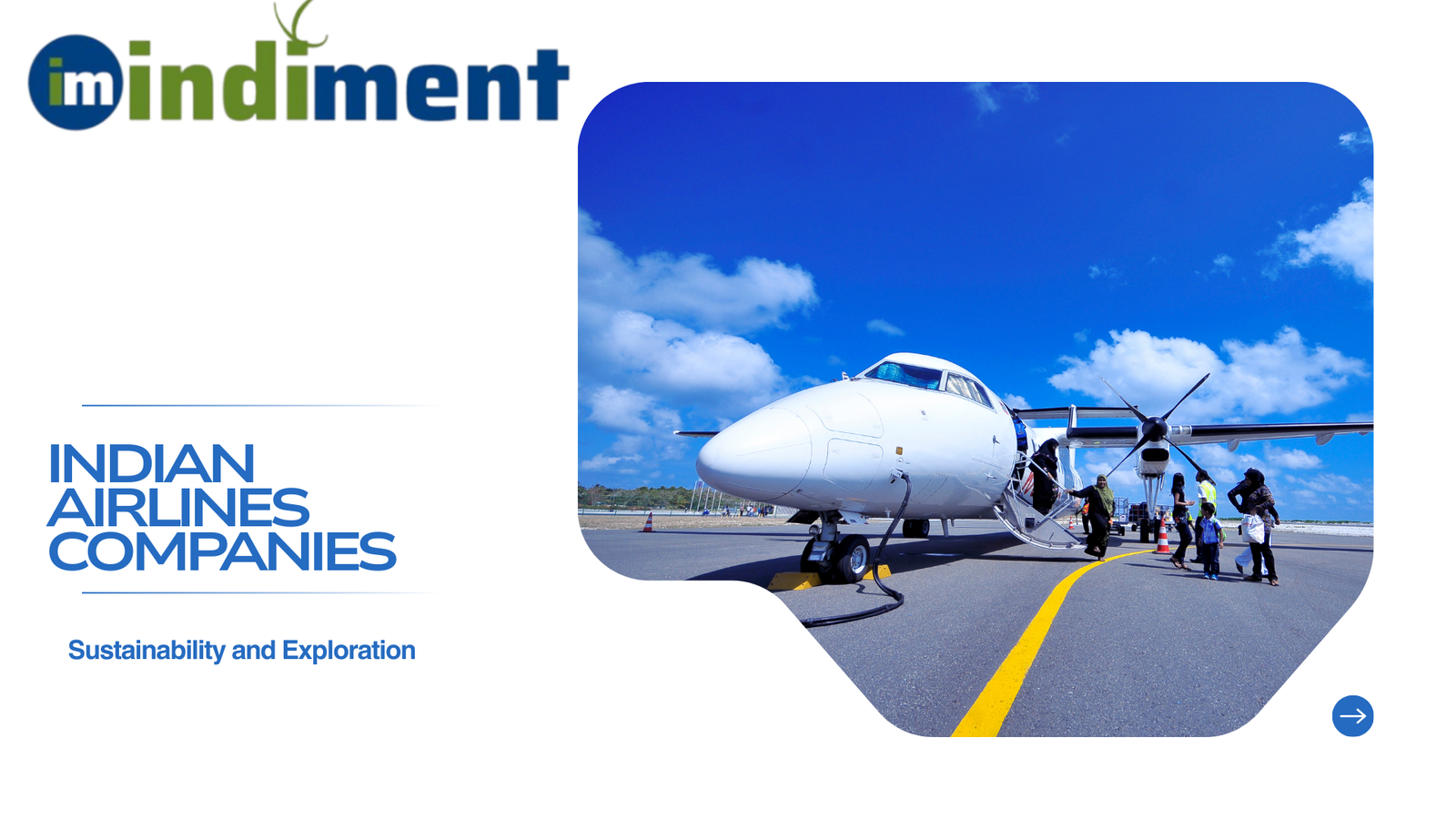
Keywords: Indian Airlines companies, airport | Indian airlines companies | Indian airports | top airlines in India | major airports in India | best airlines in India | India aviation industry | domestic airlines in India | international airports in India
The India aviation industry is undergoing one of the most significant transformations in its history. Over the past decade, air travel in India has shifted from being a luxury for a few to a necessity for millions. Rapid economic growth, technological advancements, infrastructure expansion, and evolving consumer behavior have reshaped how people fly and how airlines and airports operate.
Today, Indian Airlines companies, airport systems, policies, and passenger services are evolving at an unprecedented pace. To help travelers, industry watchers, and business professionals understand this transformation, this article explores 13 must-know trends that are currently dominating Indian aviation.
1. Explosive Growth in Domestic Air Travel
One of the biggest trends in the India aviation industry is the continuous rise in domestic air travel. More Indians are choosing flights over trains and buses due to time efficiency and increasing affordability.
Cities that were once poorly connected now have regular flights, thanks to infrastructure development and airline expansion. This growth has benefited domestic airlines in India, pushing them to increase capacity, add new routes, and improve services.
As disposable incomes rise and travel becomes more accessible, domestic air travel is expected to grow even further in the coming years.
2. Dominance of Low-Cost Carriers
Low-cost carriers have revolutionized Indian aviation. Among top airlines in India, IndiGo stands out as the clear leader in the budget segment. Its focus on punctuality, operational efficiency, and affordable pricing has made it the most preferred airline for millions.
Other low-cost carriers like Akasa Air have also entered the market, increasing competition and giving travelers more choices. This trend has shifted the aviation landscape toward cost-effective travel, making air journeys more accessible to the general public.
3. Air India’s Strategic Comeback
A major trend shaping the India aviation industry is the revival of Air India under the Tata Group. After years of financial struggles, the airline is now undergoing massive restructuring and modernization.
New aircraft orders, upgraded cabins, improved in-flight services, and expanded international routes are helping Air India rebuild its global reputation. This comeback is crucial for strengthening India’s presence in international aviation and enhancing connectivity through international airports in India.
4. Rise of New-Age Airlines
The entry of airlines like Akasa Air has introduced fresh competition and innovation in the market. With modern aircraft, digital-first operations, and customer-friendly policies, Akasa Air represents a new generation of Indian aviation.
Similarly, Vistara has set higher standards for premium travel before its closer integration with Air India. These developments are pushing traditional Indian airlines companies to upgrade services, adopt new technologies, and enhance passenger experience.
5. Expansion and Modernization of Major Airports
The rapid development of major airports in India has been a key trend in recent years. Airports in Delhi, Mumbai, Bengaluru, and Hyderabad have undergone significant upgrades, featuring world-class terminals, advanced security systems, luxury lounges, and seamless transport connectivity.
These improvements have made Indian airports more efficient, passenger-friendly, and globally competitive. Many airports now rank among the best in Asia for infrastructure and service quality.
6. Smart Airports Using AI and Digital Technology
Technology is transforming how passengers travel through Indian airports. Facial recognition, biometric boarding, automated check-in kiosks, and digital baggage tracking are becoming increasingly common.
Passengers can now move through security, immigration, and boarding with minimal paperwork. Mobile boarding passes, real-time flight updates, and contactless services have made air travel faster and more convenient.
This trend reflects India’s growing role as a digital and tech-driven nation.
7. Regional Connectivity Through UDAN Scheme
One of the most impactful trends in Indian aviation is the expansion of regional air connectivity through the government’s UDAN (Ude Desh Ka Aam Nagrik) scheme.
This initiative has connected smaller towns and remote areas to major cities, boosting tourism, business, and economic development. Many new airports have become operational, allowing domestic airlines in India to expand their networks beyond traditional metro routes.
Regional aviation is now a crucial part of India’s overall air travel ecosystem.
8. Growth in International Air Travel
India’s international airports in India are witnessing a steady increase in global flight connectivity. Airlines are launching new direct routes to Europe, North America, the Middle East, and Southeast Asia.
This trend has benefited students, professionals, tourists, and businesses by reducing travel time and increasing flight options. India is gradually emerging as a major player in global aviation rather than just a transit market.
9. Sustainability and Green Aviation Initiatives
Environmental sustainability is becoming a major focus in the India aviation industry. Several airports now operate on solar power, use electric ground vehicles, and follow eco-friendly construction practices.
Airlines are investing in fuel-efficient aircraft like A320neo and Boeing 737 MAX to reduce carbon emissions. This shift toward greener aviation is not only environmentally responsible but also cost-effective in the long run.
10. Stronger Safety Standards and Global Compliance
Safety remains a top priority in Indian aviation. Airlines and airports strictly follow international aviation regulations and undergo regular safety audits.
Improved pilot training, advanced maintenance procedures, and modern air traffic control systems have strengthened passenger confidence in best airlines in India and major airports. This trend reflects India’s commitment to maintaining global aviation standards.
11. Public-Private Partnerships Driving Airport Development
A significant structural trend in Indian aviation is the increasing role of private companies in airport management. Many airports are now operated through public-private partnerships.
This has led to faster infrastructure development, better customer service, and more efficient operations across Indian airports. Private investment has played a crucial role in modernizing India’s aviation infrastructure.
12. Digital Booking and Contactless Travel Experience
The way people book flights and travel has changed dramatically. Online booking platforms, airline mobile apps, and digital boarding passes have replaced traditional paper-based systems.
Passengers can now check in, select seats, track baggage, and receive real-time updates directly on their smartphones. This trend has made air travel more seamless and stress-free for millions of travelers.
13. Rapid Expansion of Aviation Infrastructure and New Airports
India is witnessing the construction of several new airports, including Noida International Airport (Jewar) and Navi Mumbai International Airport. These projects aim to reduce congestion at existing airports and accommodate future passenger growth.
The expansion of aviation infrastructure is a clear sign that India is preparing for long-term growth in air travel. This trend will further strengthen the country’s position in the global aviation market.
What These Trends Mean for Travelers
For everyday passengers, these trends translate into:
- More flight options and destinations
- Better airport facilities and services
- Shorter waiting times at check-in and security
- Improved safety and reliability
- Greater international connectivity
- Increased affordability of air travel
Whether traveling for work, education, or leisure, passengers now enjoy a much smoother and more efficient flying experience.
Challenges Still Facing Indian Aviation
Despite rapid progress, some challenges remain in the India aviation industry:
- Rising jet fuel prices
- Airport congestion in major cities
- Shortage of skilled aviation professionals
- Environmental impact of increased air travel
However, continuous investments, policy reforms, and technological advancements are gradually helping address these issues.
The Future of Indian Aviation
By 2030, India is expected to become one of the top three aviation markets in the world. Airlines will continue to expand fleets, airports will increase capacity, and digital transformation will further enhance passenger experience.
Sustainability, innovation, and global connectivity will be key drivers of future growth. For travelers, this means more routes, better services, and seamless journeys.
Conclusion
The Indian Airlines companies, airport ecosystem is evolving rapidly, driven by technological innovation, infrastructure development, government support, and rising passenger demand.
From the dominance of IndiGo and Air India’s revival to smart airports, regional connectivity, and sustainability initiatives, these 13 must-know trends clearly illustrate why Indian aviation is booming.
The skies over India are no longer just busy—they are smarter, more connected, and more promising than ever before.