
The pursuit of wellness is a universal human constant, but its expression is beautifully diverse across cultures and eras. From the historic, mineral-rich springs of England to the ancient, holistic healing traditions of India, the journey to well-being has taken many forms. Yet, at the highest echelons of luxury travel, a fascinating connection emerges. The storied spa culture of Harrogate in North Yorkshire and the transcendent experience of Six Senses Fort Barwara, Rajasthan, though separated by geography and centuries, are bound by a shared DNA—a profound understanding that true wellness requires sanctuary, ritual, and a deep connection to place. This is the story of a global luxury wellness connection.
Part 1: Harrogate – The Blueprint of European Spa Culture
Harrogate’s emergence as a wellness destination is rooted in a 16th-century discovery: its unique, sulphurous spring water. This “taking of the waters” evolved from a local curiosity into a social phenomenon, cementing the town’s status as the premier spa destination of Victorian and Edwardian England. Its culture established core tenets that would define luxury wellness for generations.
- The Sanatorium of Society: Harrogate was as much a social sanctuary as a physical one. The grand architecture of the Royal Pump Room (now a museum) and the breathtaking Moorish Revival Turkish Baths were designed for communal healing and social exchange. Wellness was intertwined with leisure, culture, and the refined pace of high society.
- The Primacy of Place & Element: The town’s entire identity and layout were dictated by its natural resource. The belief was unequivocal: the specific mineral composition of Harrogate’s water held curative power. This established the principle that authentic wellness is inextricably linked to a genius loci—the unique spirit of a place.
- The Prescribed Retreat: Travelling to Harrogate was a deliberate prescription. It represented a clean break from urban life and daily stress, a geographical and psychological journey to a dedicated environment designed for restoration. This concept of the “wellness retreat” was born here.
Harrogate’s legacy is that of a structured, social, and nature-based wellness culture. It provides the historic blueprint from which modern global wellness hospitality has, directly or indirectly, drawn inspiration.
Part 2: Six Senses Fort Barwara – The Vanguard of Holistic Sanctuary
If Harrogate represents the classical age of spa culture, then Six Senses Fort Barwara represents its evolved, holistic future. As one of the most exceptional Six Senses luxury resorts India has conceived, it transcends the traditional spa model. It is not a hotel with a wellness centre; it is a total wellness ecosystem housed within a living monument.
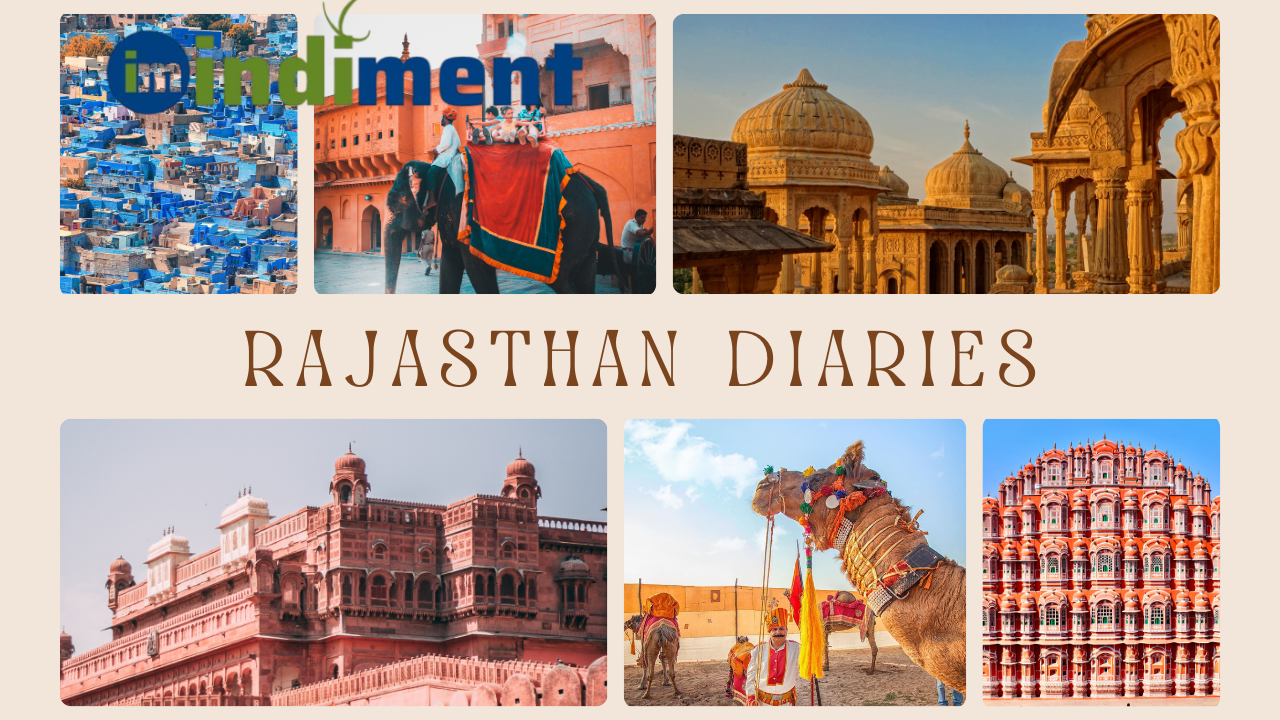
This Six Senses Fort palace hotel is a 14th-century fort, painstakingly restored over a decade. Its very fabric—the ancient Rajput stone, the tranquil courtyards, the original temples—radiates a timeless serenity. Here, the connection to place is not just about a natural resource, but about centuries of history, spirituality, and cultural wisdom. It is a heritage hotel in Rajasthan that uses its profound sense of place as the primary therapeutic tool.
The Profound Connection: Shared Pillars of Global Luxury Wellness
The dialogue between Harrogate’s heritage and the Six Senses Fort Barwara experience reveals the unifying pillars of authentic, high-end wellness travel.
1. Sanctuary as a Non-Negotiable Foundation
Both destinations are founded on the principle of removal. Harrogate offered an escape from the grime and haste of industrial cities to a town of manicured gardens and clean air. Six Senses Fort India takes this further, offering a majestic, gated sanctuary. Crossing the fort’s threshold is a symbolic act of leaving the modern world behind. In both cases, the environment is consciously designed to be a protective, healing cocoon.
2. The Ritual of Arrival and Experience
Luxury wellness is inherently ritualistic. In Harrogate, rituals were social and prescribed: the daily intake of water at the pump room, the multi-stage process of the Turkish bath, the evening promenade. At Six Senses Fort Barwara Rajasthan, rituals are personalized and spiritual. The journey might begin with a silent meditation at dawn on the ramparts, a personalised Ayurvedic consultation, or a puja (prayer) in the fort’s original temple. Both understand that ritual creates mindful intention, transforming simple acts into meaningful steps on a wellness journey.
3. A Deep, Authentic Connection to Terroir
This is the most powerful connection. Harrogate’s terroir was its mineral springs and the bracing Yorkshire landscape. Its treatments and its very reason for being were place-specific.
Six Senses Fort Barwara masterfully applies this same principle. Its terroir is the rich healing heritage of Rajasthan and India. The spa doesn’t offer generic treatments; it offers therapies grounded in 5,000-year-old Ayurvedic texts, using herbs and oils native to the region. The food is hyper-local, sourced from the resort’s own organic gardens and nearby villages. The architecture itself—the fort—is the ultimate expression of local material and history. The wellness experience is impossible to replicate elsewhere; it is of this soil, this culture, this history.
4. The Evolution from Hydrotherapy to Holism
Harrogate’s focus was largely physiological, centred on the healing properties of water for specific ailments. Six Senses luxury resorts, and Fort Barwara in particular, have expanded this focus to encompass holistic well-being. Here, wellness is a triad: Sleep, Nutrition, and Mental/Spiritual Fitness. The resort’s experts address all three, using both ancient wisdom (yoga, meditation) and modern science (sleep tracking, personalized nutrition plans). It represents the natural evolution of spa culture—from curing illness to optimizing life.
5. The Integration of Cultural Immersion
True luxury wellness recognizes that cultural enrichment is nourishing to the soul. In Harrogate, this was the theatre, the music, and the social graces. At Six Senses Fort Barwara, immersion is profound. It might be a guided visit to a local village, a block-printing workshop with master artisans, or a private dining experience featuring Rajput culinary traditions. This cultural connection provides context and depth, moving the experience beyond passive pampering to active engagement and understanding.
Conclusion: A Tapestry Woven from East and West
The global luxury wellness connection between Harrogate’s spa culture and Six Senses Fort Barwara is a testament to a timeless human quest. Harrogate stands as the elegant, historic progenitor, demonstrating how society can organise itself around communal healing and the virtues of a dedicated retreat. Six Senses Fort Barwara, as a flagship of Six Senses luxury resorts India, carries this torch forward into the 21st century, interpreting it through a lens of intense personalization, holistic science, and breathtaking cultural preservation.
One is a town built upon water; the other, a fort palace hotel built upon history. Together, they illustrate that whether nestled in the green dales of Yorkshire or standing sentinel in the Rajasthani landscape, the ultimate luxury is the same: a sanctuary that offers not just escape, but a meaningful pathway back to oneself. For the discerning wellness traveller, understanding this connection enriches the experience of both—seeing in the grand Turkish Baths of Harrogate the philosophical precursor to the serene treatment rooms of a Six Senses Fort India, and recognising in both a shared, global language of restoration, sanctuary, and profound care.
