
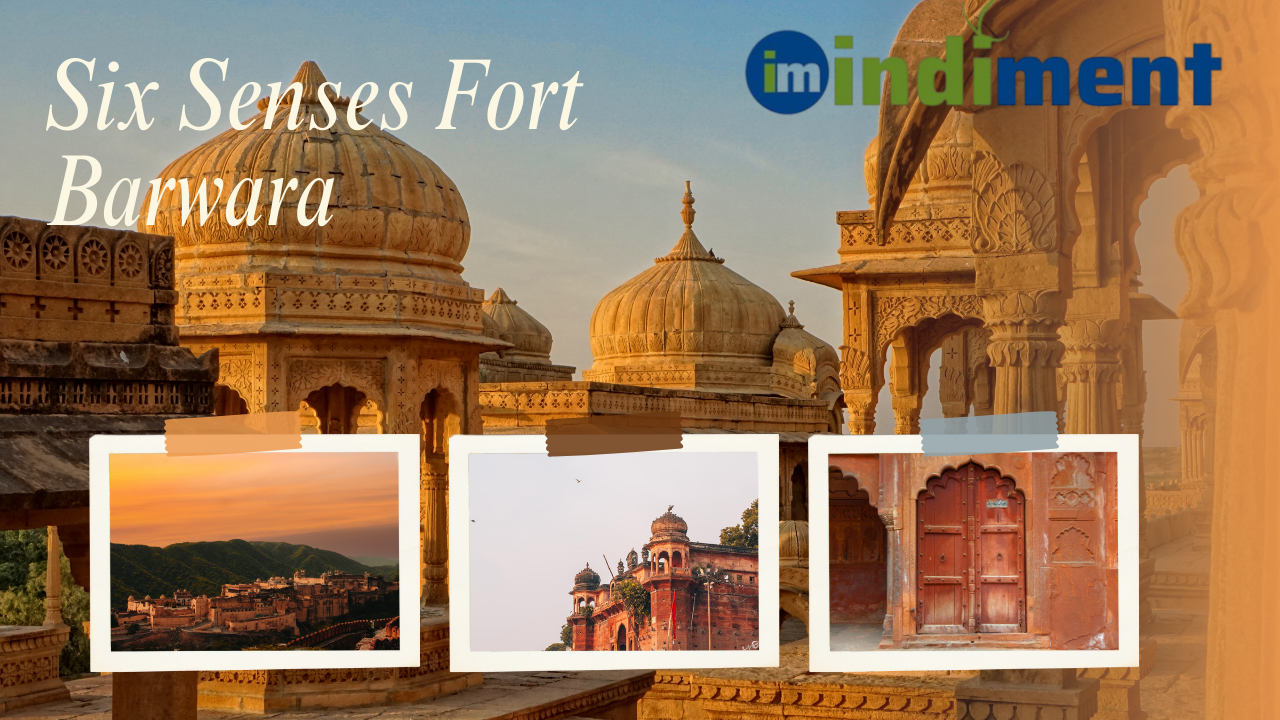
The pursuit of wellness is a narrative as old as civilisation itself. Across centuries and continents, cultures have developed unique traditions centred on healing, water, sanctuary, and the restoration of balance. While the historic English spa town of Harrogate and the majestic Six Senses Fort Barwara, Rajasthan, may seem worlds apart, they are powerfully connected by a shared, timeless philosophy of wellness. This is not merely a comparison of two luxury destinations, but an exploration of how a centuries-old European wellness heritage finds a profound and parallel expression in one of India’s most breathtaking heritage hotels in Rajasthan.
Part 1: Harrogate – Where Wellness Springs Eternal
Harrogate’s identity was forged by water. The discovery of its first mineral spring in the 16th century ignited a transformation, establishing the town as a premier destination for the “taking of the waters.” By the Victorian and Edwardian eras, Harrogate rivalled continental spas, attracting aristocracy and intellectuals seeking remedies for ailments through hydrotherapy. Its grand architecture—the Royal Pump Room, the opulent Turkish Baths—stands as a testament to an era where wellness was a structured, social, and architectural pursuit.
Harrogate’s wellness heritage is built on foundational pillars:
- The Healing Properties of Nature: The core belief was in the earth’s innate ability to heal, channeled through its mineral-rich waters.
- The Ritual of Retreat: Travel to Harrogate was a deliberate escape from urban life—a prescribed break for restoration.
- Holistic Environment: Wellness wasn’t confined to the bathhouse. It was promoted through serene parklands (The Stray), clean air, gracious gardens, and refined, calming surroundings.
- Social & Mental Well-being: The spa experience included leisurely promenades, cultural events, and conversation—recognising mental and social health as integral to physical recovery.
This heritage established a blueprint: true wellness requires an immersive environment, a connection to natural remedies, and a dedicated retreat from daily life.
Part 2: Six Senses Fort Barwara – A Rajasthani Renaissance of Holistic Healing
Fast forward to the 21st century, enter the realm of Six Senses luxury resorts India. The brand has built its global reputation on a philosophy that feels both futuristic and ancient: sustainable luxury and holistic wellness. Nowhere is this more magnificently realised than at Six Senses Fort Barwara.
This is not a Six Senses Fort palace hotel that simply occupies an old structure; it is a sensitive, decade-long restoration of a 14th-century fort, breathing new life into its ancient stones with a purpose. Here, the wellness heritage of Rajasthan—a land of Ayurveda, yoga, meditation, and royal traditions of healing—is channelled through a contemporary, scientific lens. Six Senses Fort India has become a custodian of this regional wellness legacy, much like Harrogate’s institutions became custodians of its springs.
The Profound Connection: Shared Pillars of Authentic Wellness
The link between Harrogate’s legacy and the Six Senses Fort Barwara experience is found not in identical practices, but in these shared, foundational principles:
1. The Sacred Trust in Natural Elements
- Harrogate: The primary healing agent was the natural mineral water, drawn directly from the earth. The town’s entire economy and layout revered this resource.
- Six Senses Fort Barwara: Here, wellness is also rooted in nature, but expressed through a wider Ayurvedic and local lens. Treatments use indigenous herbs, oils, and ingredients. The resort’s own organic gardens supply the kitchens and spa, ensuring a direct, pure connection to the land. The design incorporates natural light, air, and views of the Barwara lake and Aravalli Hills as essential therapeutic components. Both destinations are built on a foundational belief in nature’s intelligence.
2. The Ritual of Journey and Arrival
- Harrogate: The journey itself was part of the cure. Travelling to the spa town marked a psychological transition from patient to wellness-seeker.
- Six Senses Fort Barwara: The arrival is nothing short of ceremonial. Passing through the colossal gates of the 700-year-old fort is a symbolic transition from the modern world into a sanctuary of timelessness. This deliberate journey disconnects guests from daily stress, setting the stage for deep restoration—a core tenet of the Six Senses luxury resorts ethos.
3. Architecture as a Healer
- Harrogate: The town’s majestic spa buildings were designed to inspire awe and calm, using grand, elegant architecture to elevate the spirit.
- Six Senses Fort Barwara: The heritage hotel in Rajasthan takes this further. The fort’s architecture is not just a backdrop; it is active therapy. The immense, silent walls offer a profound sense of security and peace. The interplay of light and shadow in courtyards, the texture of ancient stone, and the harmony of restored palaces create an environment that inherently lowers stress. You don’t just see the history; you are held by it.
4. From Social Spa to Personalised Sanctuary
- Harrogate: Victorian spa culture was often a shared, social experience in public baths.
- Six Senses Fort Barwara: This represents the evolution of that concept into the modern age of personalised wellness. The experience begins with a detailed wellness screening, leading to tailored programs encompassing spa treatments (Ayurveda, yoga, meditation), nutrition, and sleep. It retains the social element in beautiful communal spaces but focuses on the individual’s unique path to balance. The Six Senses Spa here is a world-class, private sanctuary within the fort, offering both the ancient wisdom of Rajasthan and cutting-edge wellness technology.
5. The Integration of Place & Culture
- Harrogate: Treatments and experiences were intrinsically “of Harrogate,” using its unique water and reflecting its English charm.
- Six Senses Fort Barwara: The experience is deeply, authentically Rajasthani. Wellness rituals are drawn from local traditions. Cuisine celebrates regional flavours with a healthy twist. Excursions connect guests to local villages and crafts. This isn’t a generic luxury stay; it’s an immersion into the healing culture of Rajasthan, making Six Senses Fort Barwara Rajasthan a destination that could not exist anywhere else.
Conclusion: One Enduring Philosophy, Two Magnificent Expressions
Harrogate’s heritage teaches us that wellness is more than a treatment—it is an environment, a ritual, and a trust in nature’s gifts. Six Senses Fort Barwara masterfully embodies this ancient philosophy while elevating it for the contemporary seeker. It takes the concept of a healing retreat and reimagines it within a restored fort, offering a wellness journey that is as culturally rich as it is personally transformative.
In essence, the journey from the sulphur springs of Harrogate to the tranquil courtyards of this Six Senses Fort palace hotel is a journey along the same timeless path. It is the human quest for sanctuary, for reconnection with nature and self, and for healing practices rooted in their sense of place. Harrogate represents the historic chapter of this story in the West. Six Senses Fort Barwara, as a pinnacle of Six Senses luxury resorts India, writes the radiant, ongoing chapter in the East, proving that while the methods and settings may evolve, the essence of true wellness remains beautifully, powerfully constant.
