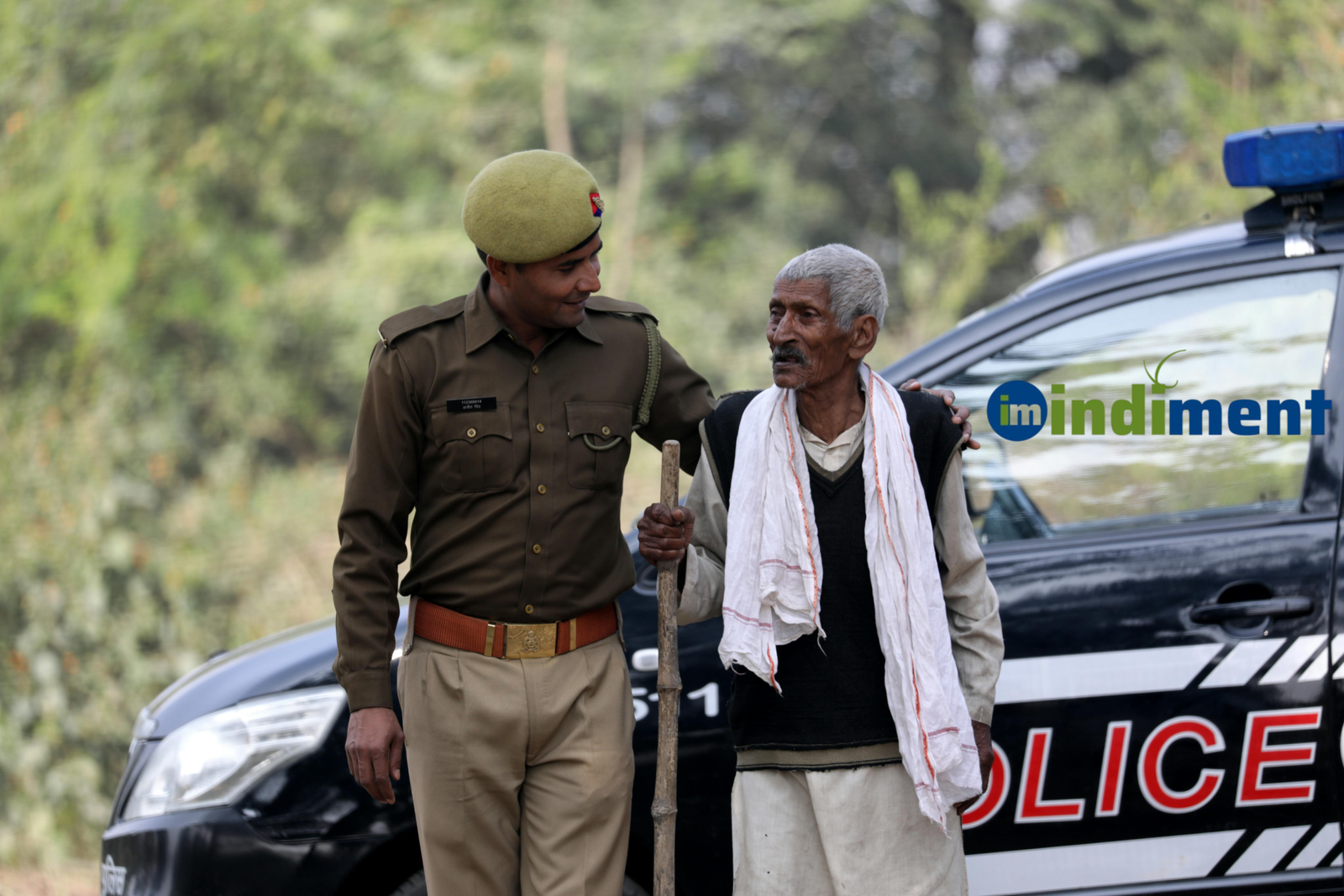
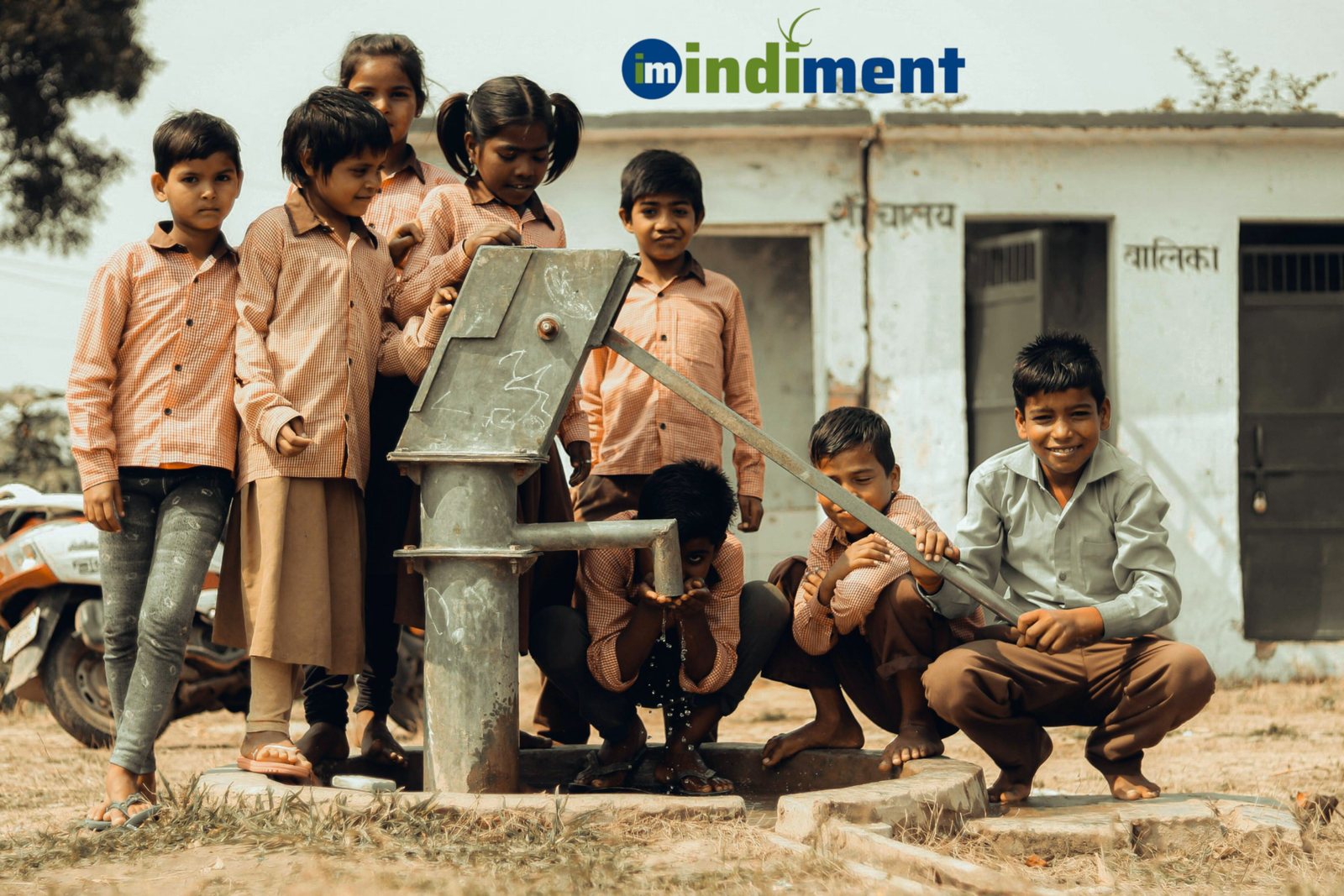
India’s rural landscape is home to over 65% of its population. While cities grow rapidly, rural areas continue to face challenges like poverty, illiteracy, lack of healthcare, and unemployment. This is where Indian NGOs step in. They play a critical role in bridging the gap between government policies and the actual needs of rural communities.
Before diving into the list of organizations, let’s understand what is the full form of NGOs and what is non government organisation NGOs. NGOs stand for Non-Government Organizations, which are independent entities working to solve social, educational, environmental, and economic issues without direct government control. Their work in rural development ensures that no community is left behind.
Understanding Rural Development and the Role of NGOs
Rural development is a multidimensional process aimed at improving the quality of life in villages. It involves enhancing agriculture, healthcare, education, infrastructure, and employment opportunities. While the government implements several schemes, many regions remain underserved due to limited resources.
This is where NGOs in India come into play. They implement innovative programs, provide training, and mobilize communities. By focusing on local needs, they ensure sustainable growth and empower rural populations to become self-reliant.
Indian Education NGOs and Their Rural Impact
Education is the backbone of rural development. Unfortunately, many villages still struggle with illiteracy, especially among girls. Indian education NGO initiatives target these gaps through school programs, adult literacy drives, vocational training, and scholarships.
Organizations like Pratham and CARE India NGO focus on improving learning outcomes and enrollment rates in rural schools. Programs often include interactive learning methods, digital classrooms, and community participation to ensure education reaches every child.
Top NGOs in India Supporting Rural Development
India has several top NGOs actively working in rural development. These organizations cover sectors like health, education, livelihoods, and women empowerment. Here’s a glance at some of the top 10 NGOs in India making a difference:
- CARE India NGO – Focuses on health, nutrition, education, and disaster relief in rural communities.
- PRADAN (Professional Assistance for Development Action) – Works on livelihood and agricultural development.
- PRATHAM – Improves learning outcomes and literacy rates among rural children.
- SEWA (Self-Employed Women’s Association) – Empowers women through vocational training and microfinance.
- Akshaya Patra Foundation – Provides mid-day meals to improve school attendance and nutrition.
- Goonj – Converts urban waste into resources for rural development.
- Barefoot College – Focuses on education, solar energy, and skill-building for rural communities.
- Smile Foundation – Works in education, health, and livelihoods in rural India.
- HELP Foundation – Focuses on water, sanitation, and rural infrastructure.
- Pragati NGO – Empowers rural youth through skill development and employment.
These top 10 NGO in India operate across multiple states, tailoring their programs to meet local challenges effectively.
CARE India NGO: Transforming Rural Communities
CARE India NGO is one of the most influential Indian NGOs working for rural development. Its initiatives include:
- Health and Nutrition Programs: Maternal and child health, vaccination campaigns, and nutrition awareness.
- Education Projects: Supporting schools, adult literacy programs, and scholarships for underprivileged children.
- Livelihood Programs: Training rural women and men in skills that improve employability.
- Disaster Relief: Rapid response during floods, cyclones, and droughts in rural areas.
With operations in over 15 states, CARE India NGO has reached millions of people, improving quality of life and empowering communities to become self-sufficient.
Regional Focus of Rural Development NGOs
The work of NGOs in India varies according to regional needs:
Northern India
In states like Uttar Pradesh, Bihar, and Rajasthan, NGOs prioritize education, health, and women empowerment. Programs often focus on girl child education and maternal health in rural villages.
Southern India
States like Tamil Nadu, Karnataka, and Kerala see a focus on sustainable livelihoods, skill development, and renewable energy projects. Barefoot College in Rajasthan and southern regions trains women to become solar engineers for their villages.
Eastern India
In Odisha, Jharkhand, and West Bengal, NGOs emphasize agriculture, disaster relief, and tribal welfare. Goonj and Smile Foundation work to provide basic amenities and education to tribal communities.
Western India
In Maharashtra, Gujarat, and Rajasthan, the emphasis is on water conservation, rural entrepreneurship, and vocational training programs. NGOs like PRADAN help farmers adopt modern agricultural practices to increase productivity.
List of NGO in India: How to Connect
For individuals looking to support rural development, a list of NGO in India is essential. These lists provide information on the sector focus, regions of operation, and ongoing projects. Platforms like GuideStar India, NGO Darpan, and official NGO websites maintain updated directories for donors, volunteers, and collaborators.
Key Challenges Faced by Rural Development NGOs
Despite their success, NGOs in India face several challenges in rural areas:
- Limited Funding: NGOs often depend on donations, which may fluctuate annually.
- Infrastructure Issues: Poor roads and connectivity limit access to remote villages.
- Community Engagement: Ensuring participation and acceptance by local communities can be difficult.
- Monitoring Impact: Measuring long-term development outcomes requires robust systems and resources.
Despite these hurdles, committed NGOs continue to make a measurable difference in the lives of rural populations.
Collaboration Between NGOs and Government
Many top NGOs in India collaborate with government initiatives to enhance rural development. Public-private partnerships (PPP) help scale up programs in health, education, and livelihoods. For instance, Akshaya Patra Foundation works alongside government schools to implement mid-day meal programs that improve attendance and nutrition.
Success Stories of Rural Development NGOs
Real-life stories highlight the impact of these organizations:
- In Bihar, CARE India NGO improved maternal health by training local midwives, reducing infant mortality significantly.
- Pratham’s learning programs in Rajasthan increased literacy rates among rural children by 30% over five years.
- SEWA empowered thousands of rural women in Gujarat with microfinance and vocational training, improving household income and independence.
These success stories demonstrate how focused efforts can transform rural communities sustainably.
Future of NGOs in Rural India
The future of NGOs in India looks promising, with increasing digital adoption and innovative funding mechanisms. Rural-focused NGOs are adopting technology for:
- Digital classrooms and e-learning
- Mobile healthcare units
- Online skill training and employment platforms
As awareness grows, more individuals, corporates, and international donors are supporting rural development projects, ensuring that NGOs can scale their impact effectively.
Conclusion
Rural development in India depends heavily on the tireless work of Indian NGOs. From education and health to livelihoods and women empowerment, these organizations fill gaps left by government programs. CARE India NGO, Pratham, SEWA, and many others continue to bring meaningful change to villages across the country.
Understanding what is non government organisation NGOs and their regional operations allows citizens to engage, support, and volunteer effectively. By supporting top NGOs in India, we contribute to creating a more equitable and prosperous rural India.
FAQs
1. What is the full form of NGOs?
NGO stands for Non-Government Organization, which operates independently to address social and developmental issues.
2. How do Indian education NGOs support rural areas?
They improve literacy, provide school infrastructure, vocational training, and scholarships, ensuring education reaches underserved communities.
3. Which are the top 10 NGOs in India for rural development?
Some of the top 10 NGOs include CARE India NGO, PRADAN, Pratham, SEWA, Akshaya Patra, Goonj, Barefoot College, Smile Foundation, HELP Foundation, and Pragati NGO.
4. How do NGOs collaborate with the government in rural areas?
Through public-private partnerships, NGOs scale programs in education, health, nutrition, and livelihoods alongside government initiatives.
5. Where can I find a list of NGO in India to volunteer or donate?
Websites like GuideStar India, NGO Darpan, and individual NGO portals provide comprehensive, updated lists of organizations.